
Choosing the best time to see manta rays in Bali
The best time to see manta rays in Bali is a balance between regional weather, comfort in the water and the conditions on the day. Manta Point has a year-round local manta population, but that does not promise an encounter or a boat visit on every date. The marine site lies off Nusa Penida's southwest coast, where wind and swell can change the plan even in a relatively dry month.
Begin by deciding whether you want to snorkel or dive, and where you will board. Cold water matters differently from rain during the road transfer, while a smooth island crossing does not settle conditions at the excursion site. Read the snorkeling conditions or the diving requirements alongside the seasonal information. Your experience and the specific activity remain part of the decision throughout the year.
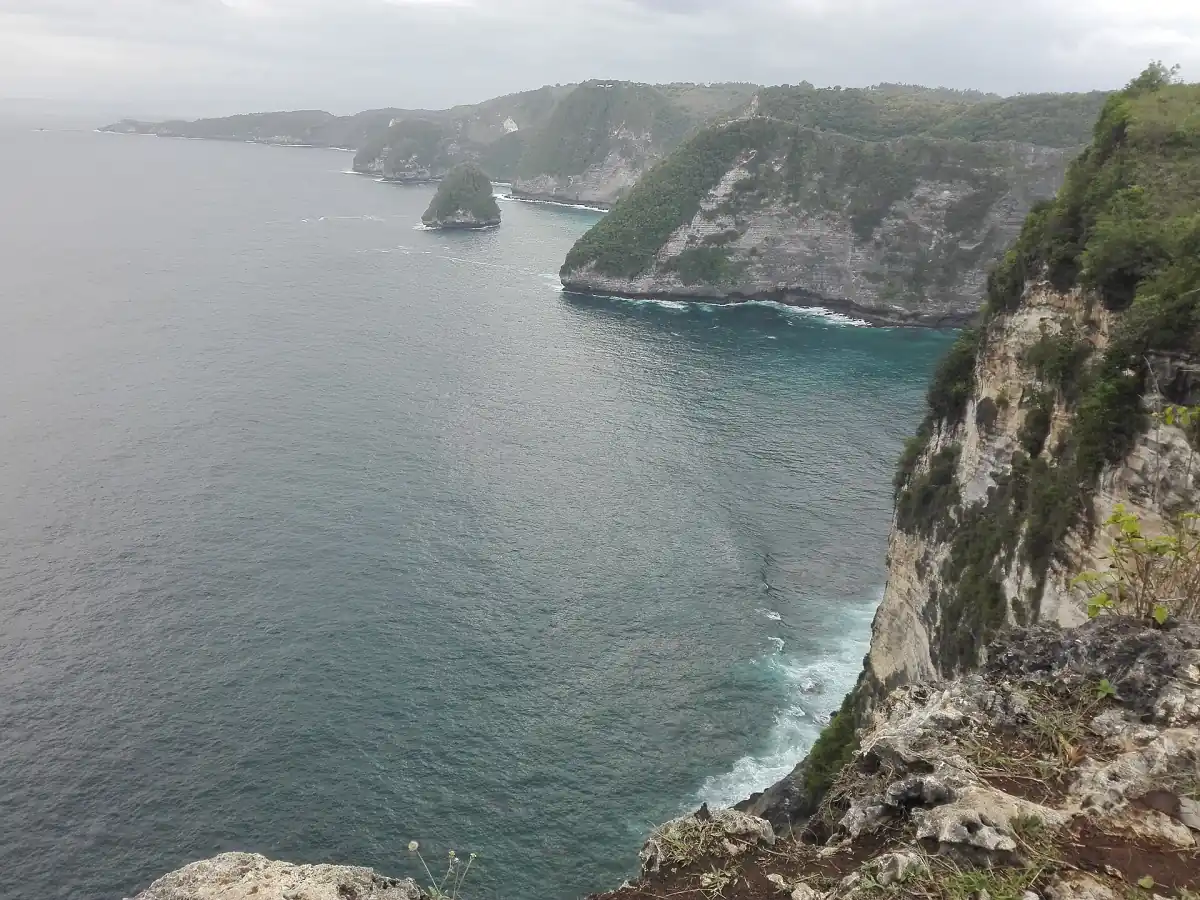
Weather and regional climate
The JMA climate normals for Denpasar/Ngurah Rai cover 1991 to 2020. This station is on Bali, so the figures are a regional reference for the journey rather than measurements at Manta Point or on Penida. The monthly temperatures below are air-temperature means. They are neither daily highs and lows nor water temperatures, and the rainfall column describes a long-term monthly pattern rather than a forecast for your dates.
January is the wettest month in this station series and July the driest. The mid-year rainfall figures are lower, but a lower monthly average does not mean every boat day is dry or calm. For broad planning, use the pattern rather than treating a boundary month as the start of guaranteed conditions. Keep travel-day flexibility especially when an excursion is the main reason for making the crossing.
| Month | Mean air temperature °C | Rainfall mm |
|---|---|---|
| January | 27.9 | 350.7 |
| February | 28.0 | 289.8 |
| March | 28.0 | 231.1 |
| April | 28.1 | 107.4 |
| May | 27.8 | 94.7 |
| June | 27.2 | 67.9 |
| July | 26.5 | 27.6 |
| August | 26.3 | 36.4 |
| September | 26.8 | 59.4 |
| October | 27.6 | 64.4 |
| November | 28.2 | 131.2 |
| December | 28.0 | 327.4 |
A Manta Point boat option
Our take: Select the three-hour shared-boat option for Manta Point and Gamat Bay, keeping sea conditions in mind.
Hand-picked tours, booked through GetYourGuide. Prices are indicative starting prices in US dollars (as of November 2026). Tap a tour for live availability and the current price in your currency.
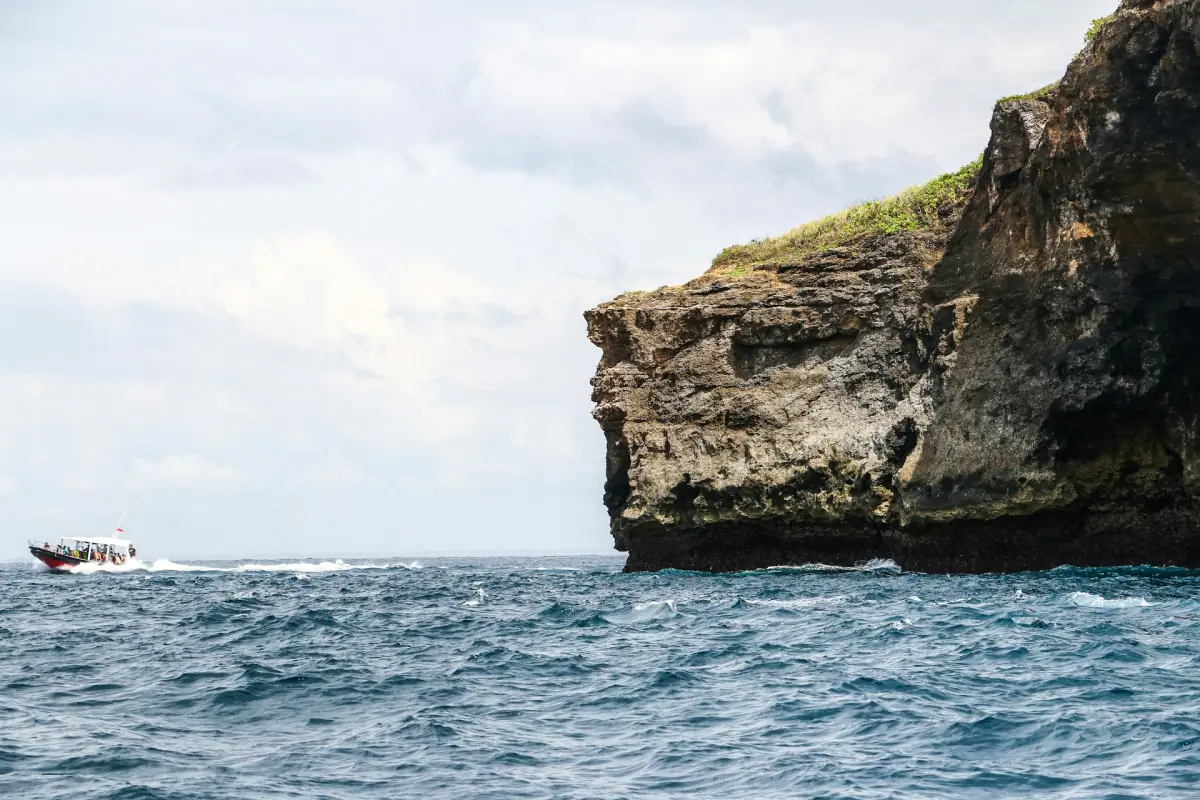
Choose the Manta Point snorkeling option
The three-hour shared-boat option visits Manta Point and Gamat Bay; the cheaper two-and-a-half-hour Manta Bay option is a different choice.
Water temperature
Local dive-operator observations describe Manta Point water at about 28 °C in December to May, with cold periods of 18 to 19 °C in August to October. These are observations for the site, not official monthly sea-temperature normals. They explain why a dry-looking period on a climate table can still call for careful attention to exposure protection and comfort in the water.
Discuss suitable equipment and the planned activity with the dive team rather than choosing it from an air-temperature figure. Transition periods are variable, and regional descriptions of other Penida dive sites have a different scope. Keeping those observations separate avoids promising a single uniform temperature across all routes. A snorkeling boat trip and a dive profile also involve different time and movement in the water.
Swell and the decision on the day
Swell can affect both the surface and the water below it. Wind, currents and visibility are reasons for the crew to change a site or the outing. A seasonal label cannot override that judgement. BMKG marine forecasts provide current weather information, but a harbour forecast and conditions at the southwest marine site are different references. Use current trip instructions close to departure rather than an old forecast copied into a travel plan.
Boat travel can also bring seasickness, and a rough ride may matter even when you intend to remain at the surface. Allow for that when choosing an outing and its return connections. Neither a private boat nor a buoyancy aid removes participation requirements or makes every sea state suitable. See the route guide to distinguish the island crossing from the longer activity on the water.
Seasonal interests and the right route
Regional sunfish observations are a separate interest from the manta cleaning station. Operators describe a seasonal sunfish period around Penida, but that does not add a guaranteed sunfish stop at Manta Point. Choose a dive for its actual itinerary and qualification requirements, rather than expecting every underwater encounter advertised across the region to happen on one trip. For manta behaviour, the reef manta guide explains the cleaning station and respectful distance.
The snorkeling activity on this page has a three-hour Manta Point option with Gamat Bay. Its cheaper two-and-a-half-hour option concerns Manta Bay, so the lowest advertised starting price should not be treated as the price of the Point option. The Point outing uses a shared boat and includes a guide and snorkeling equipment. Select the route itself before comparing dates or fares, then leave room for weather-dependent changes.
Season questions
Are mantas present only in the dry season?
A local population is present throughout the year. Sightings and access depend on the day, so no month guarantees an encounter.
Does the climate table describe the water?
It shows monthly mean air temperatures and rainfall for Denpasar/Ngurah Rai on Bali during 1991 to 2020. Water observations are discussed separately.
Which option visits Manta Point?
Choose the three-hour option of the featured snorkeling activity. The cheaper two-and-a-half-hour route concerns Manta Bay instead.
Does lower rainfall mean calm sea?
Rainfall averages cannot decide the outing. Wind, swell and local water conditions still govern the crew's route choice.